

Sinks are usually associated with cleanliness, but Ng Teng Fong General Hospital is removing them from its adult intensive care unit rooms to reduce the risk of infections.
The hospital has removed traditional sinks and taps from 44 of its 74 adult ICU rooms. It intends to convert the remaining rooms by the end of 2028.
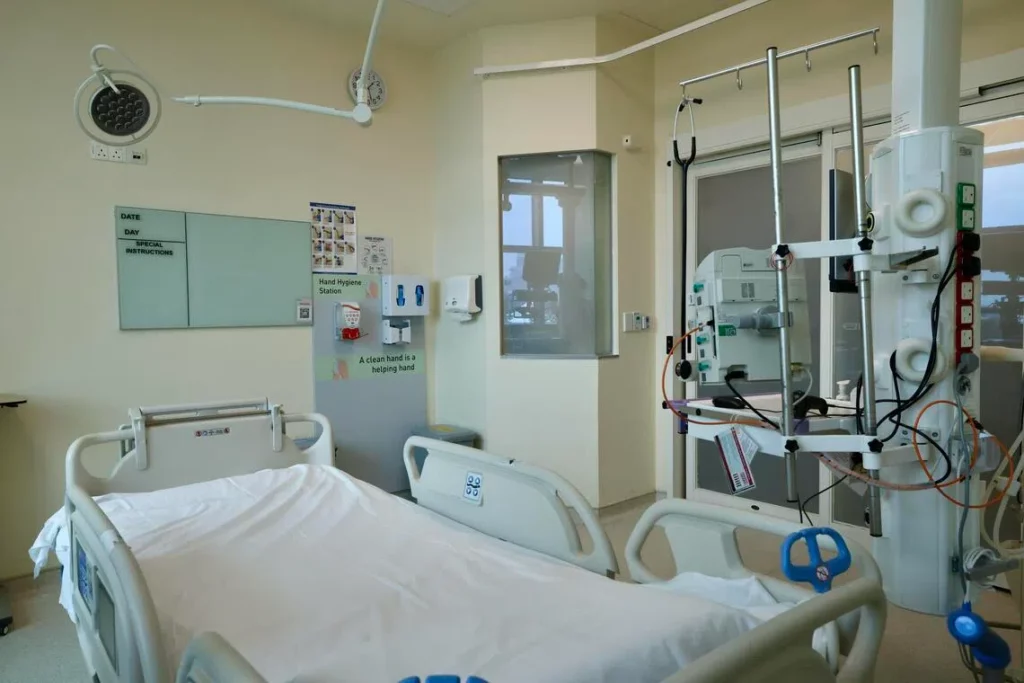
Healthcare workers now generally use alcohol-based hand rubs while caring for patients in these rooms.
How ICU Sinks Can Become a Contamination Risk
The hospital’s sinks were originally installed to support hand hygiene.
However, Adjunct Assistant Professor Surinder Pada, who heads the hospital’s infectious diseases division, told The Straits Times that the sinks were mostly being used to discard body fluids and clean equipment.
These activities could contaminate the area and allow harmful bacteria to spread to patients. Water droplets from a sink positioned near a bed could potentially reach the patient and increase the risk of infection.
This matters particularly in an ICU, where patients are critically ill and may be more vulnerable to infections.
Research has also linked sinks inside ICU patient rooms with higher rates of healthcare-associated infections. Sink drains can harbour bacteria, which may spread through splashes or small airborne droplets when water is used.
Removing sinks from the immediate patient-care area therefore removes one possible reservoir and transmission route for bacteria.
Staff Still Clean Their Hands
Going tapless does not mean healthcare workers have stopped cleaning their hands.
The hospital said staff now use alcohol-based hand rubs when attending to ICU patients. This is consistent with World Health Organisation guidance, which recommends alcohol-based hand rubs for routine hand hygiene during healthcare delivery.
WHO guidance recommends soap and water when hands are visibly dirty.
The Change Will Save 1.9 Million Litres of Water Annually
Apart from reducing contamination risks, the tapless ICU rooms are expected to save around 1.9 million litres of water every year.
According to the hospital, that is approximately three-quarters of the volume of an Olympic-sized swimming pool.
The change is also expected to prevent about seven tonnes of carbon emissions annually, which the hospital compared with taking roughly six cars off the road for a year.
The initiative was presented at the Sustainability Nexus Forum 2026 on 13 August, alongside other efforts by the hospital to reduce waste and its environmental footprint.

