

If you’ve been hearing about exosomes, you’re not alone.
Exosomes are getting people with hair loss talking because they’re being used in treatments that focus on the scalp, right down to the area around each hair follicle.
Well, I can see the appeal. Once you’ve spent enough time staring at your parting and wondering if it’s always looked that wide, you start wanting a better look at what’s happening up there.
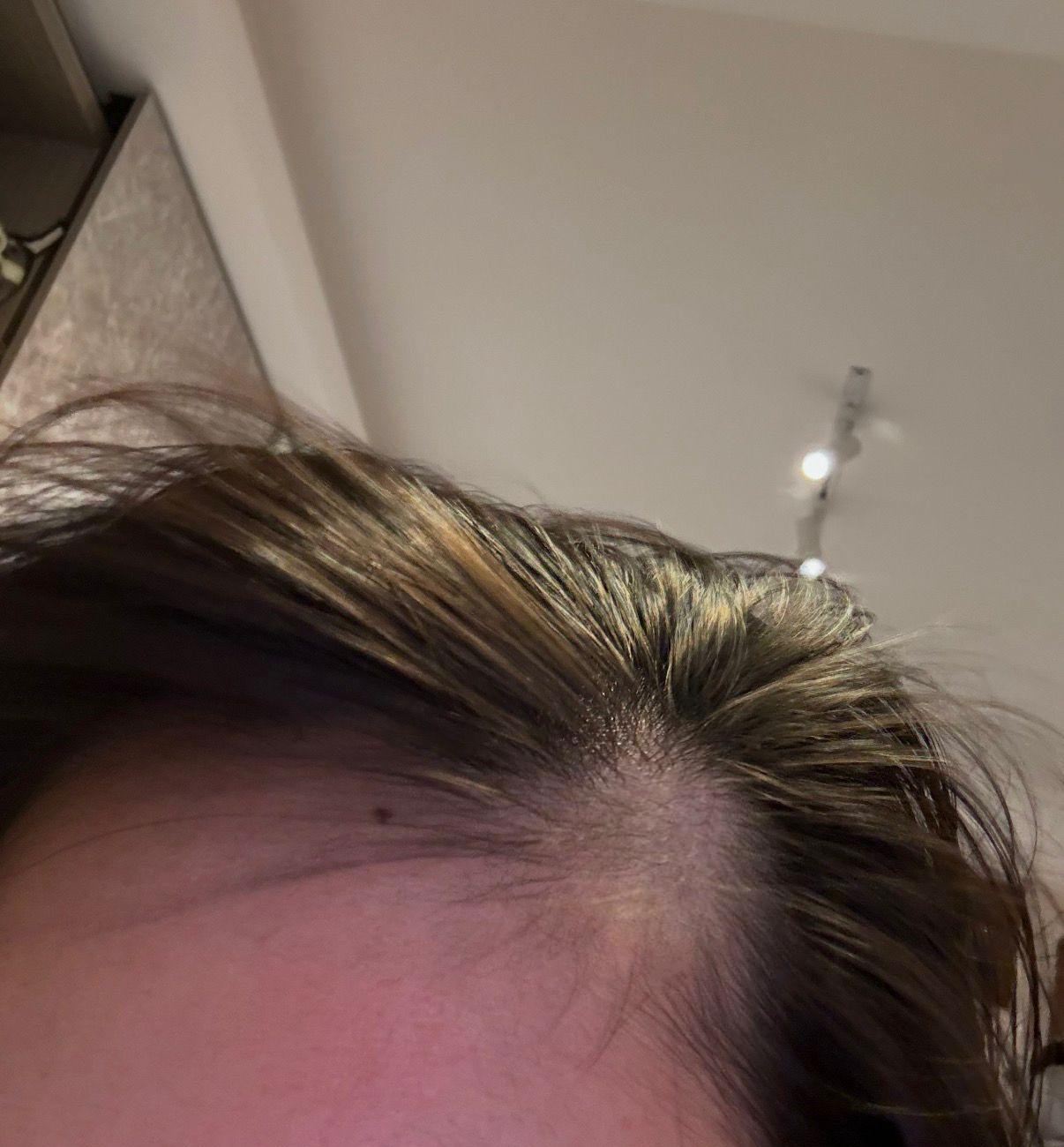
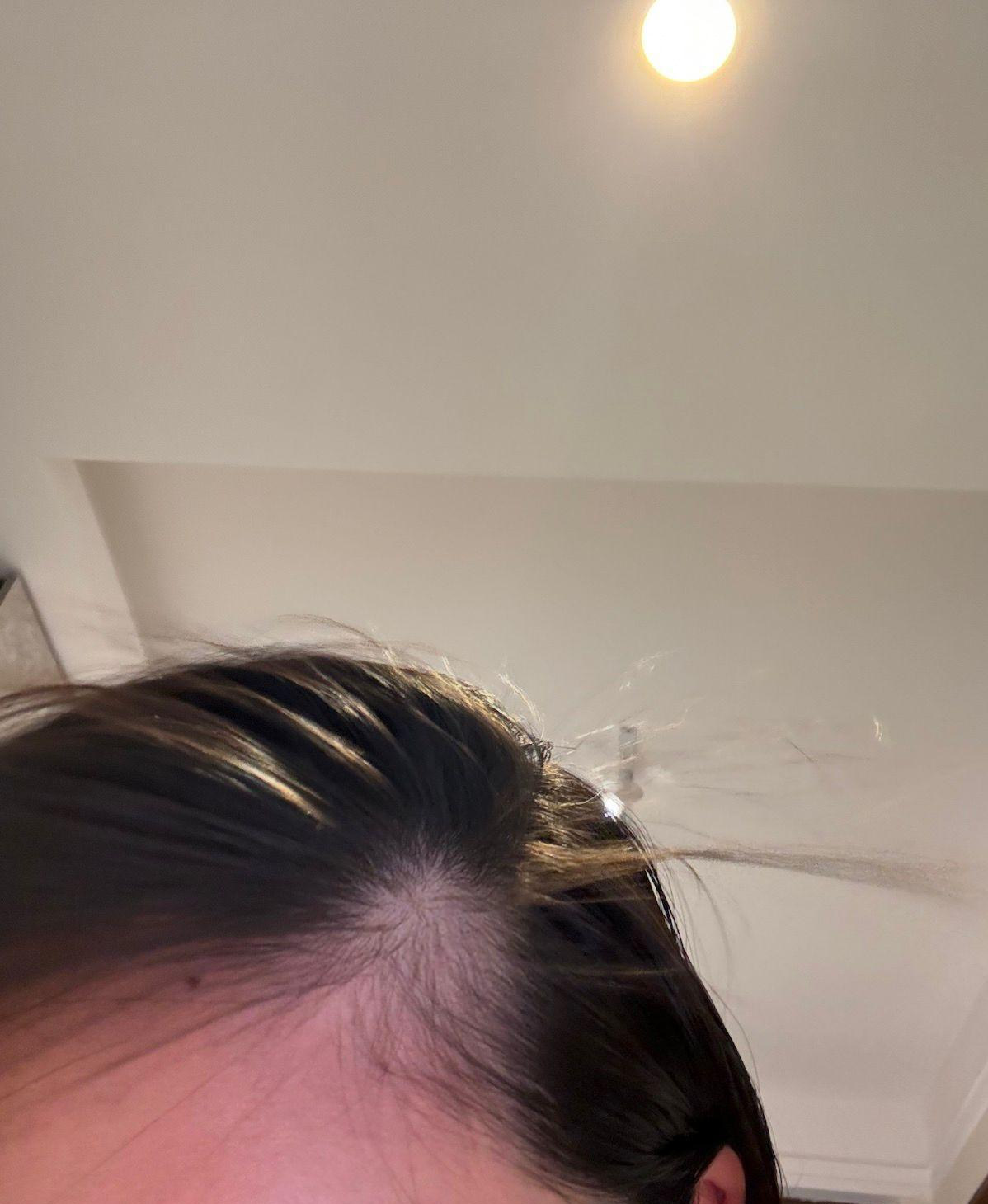
And so, I tried TK TrichoKare’s Exosome Scalp Renewal Therapy, something I’ve seen countless times when I was in almost any mall.
I was curious about how the exosome serum would be applied, but the part I was most eager to see was the scalp scan. They do one before the treatment and another at the end, which meant I’d get to put the two views side by side.
And here’s what happened.
Pre-Treatment Scalp Scan
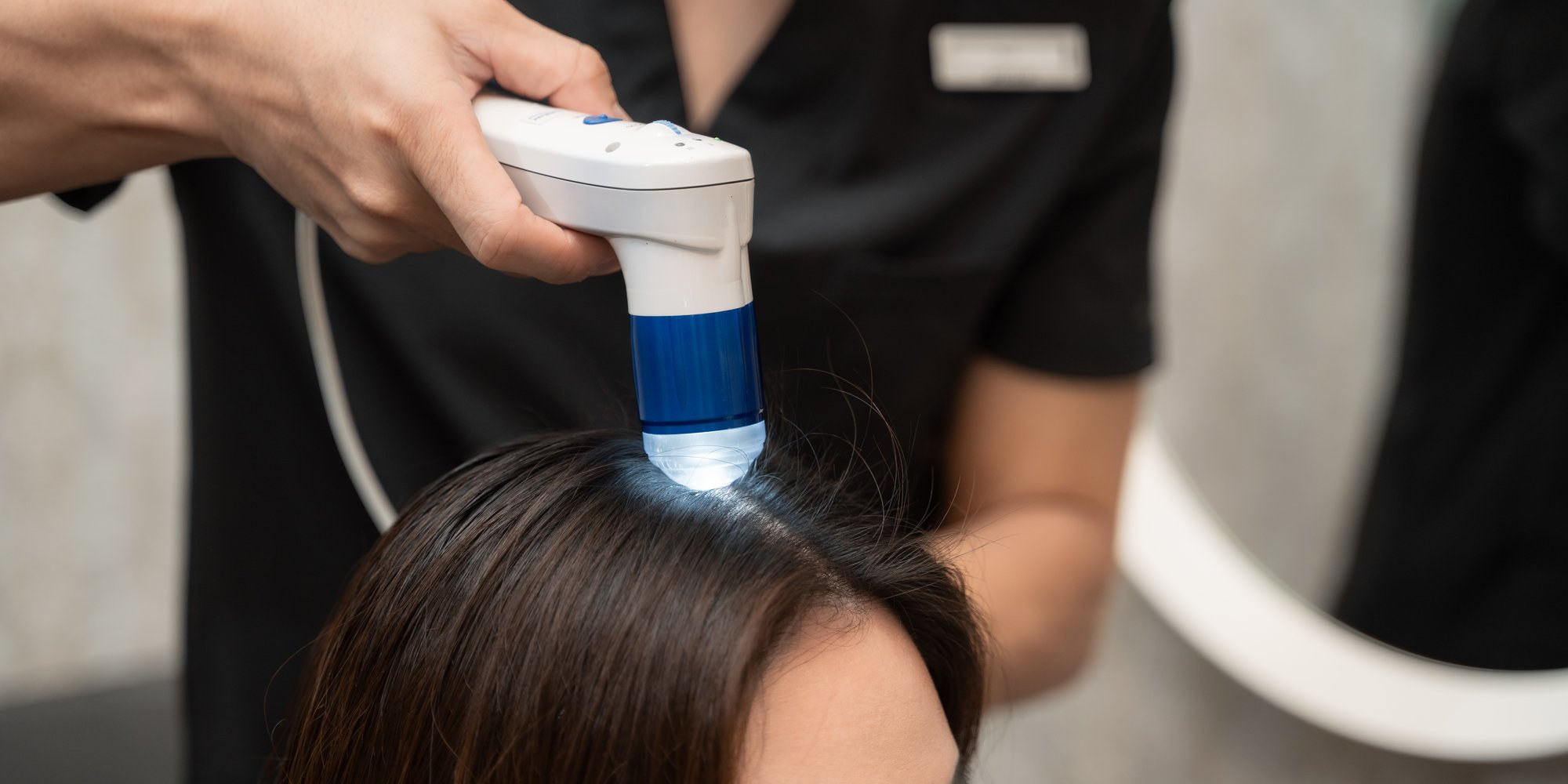
The appointment started with a consultation and a scalp scan. The consultant used a handheld device called the Tricho-Scan, which gives a 200x magnified view of the scalp. If you’ve ever accidentally opened your front camera at a bad angle, imagine that level of surprise, except this time it’s your scalp on the screen.
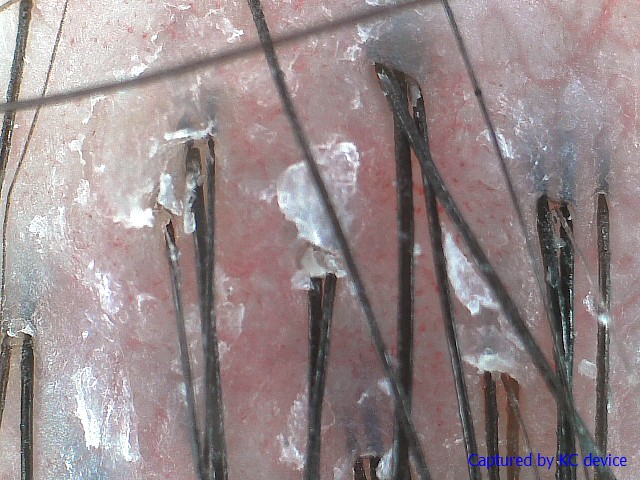
At that magnification, I could see flakes and buildup around my hair follicles, the little openings where the strands grow. There was also a buildup of sebum, the oil our skin naturally produces.
I wash my hair every day, so seeing how much was visible around the roots was probably the biggest surprise of the consultation.
The consultant also talked me through everyday habits such as using high heat to blow-dry my hair and washing it with very hot water. I’d gone in thinking mainly about the strands I kept seeing come loose.
Looking at the scan gave me a much more specific thing to pay attention to, and I could follow what the consultant was pointing out on the screen.
Customised European Herbal Scalp Masque
After the scan came the Customised European Herbal Scalp Masque, made with tea tree and magnolia. The therapist brushed it onto my scalp, where it was left for about 10 to 15 minutes before being washed off.
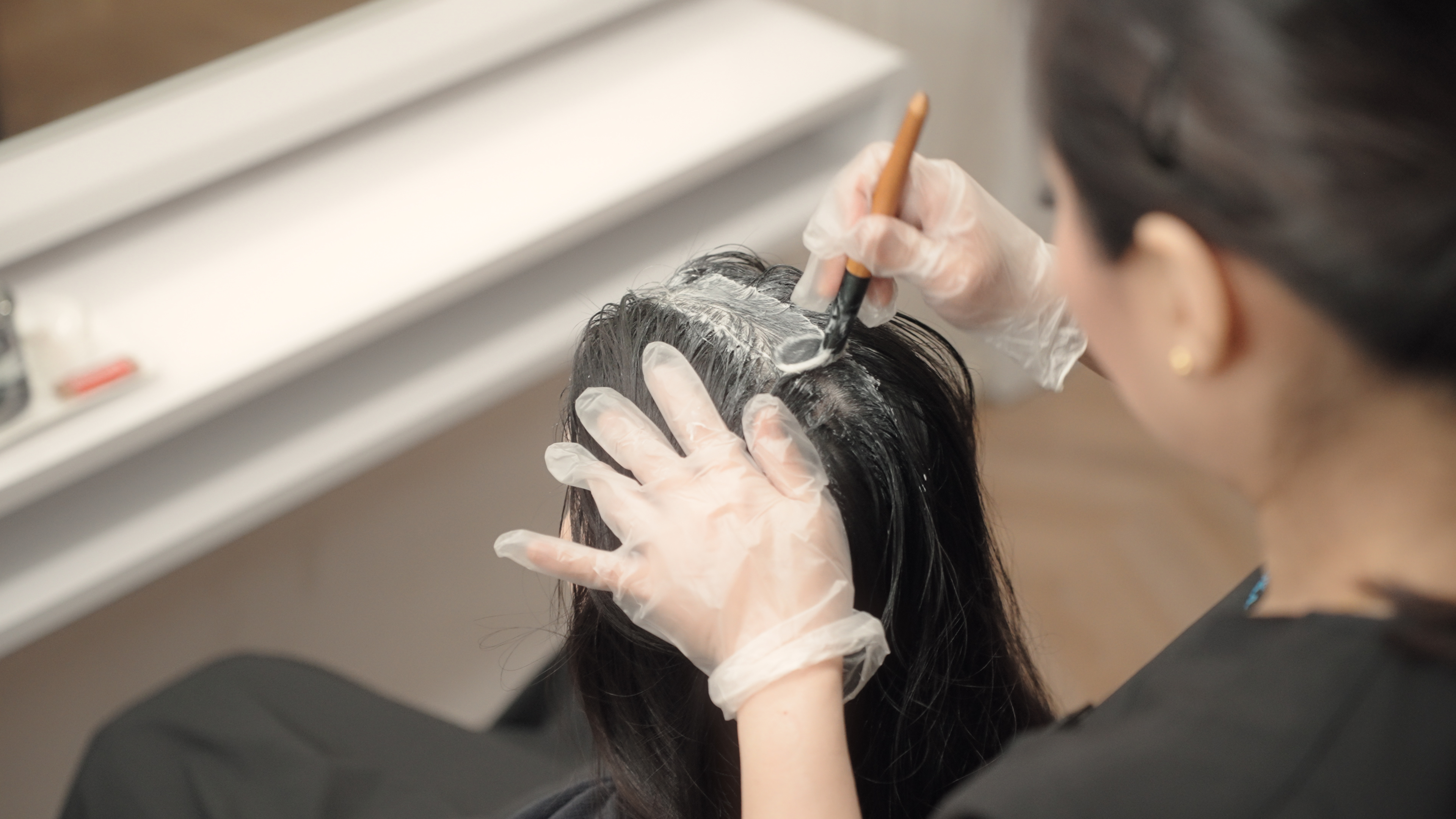
TrichoKare uses tea tree to help soothe itchiness and reduce excess oil, while magnolia is included to help protect the scalp from irritation. The masque is also meant to help clear away excess sebum and loosen the buildup around the follicles.
Having just seen my scan, I had a fairly good idea which bits of buildup I was hoping to see less of later.
I usually think of a hair mask as something that goes on the lengths and ends. Here I watched the therapist work along my parting to apply the masque directly to the scalp.
It was the first treatment step after the scan, and it made the order of the session easy to follow.
Because what’s next is the therapy I’d been curious about from the start.
Exosome Therapy
The therapist sprayed the exosome serum onto my scalp in a fine mist and used TrichoKare’s Oxyjet Infusion to help distribute it evenly. Seeing the nozzle being used along my parting answered my most basic question about the whole thing.
How exactly does the serum get to the scalp when there’s hair in the way?
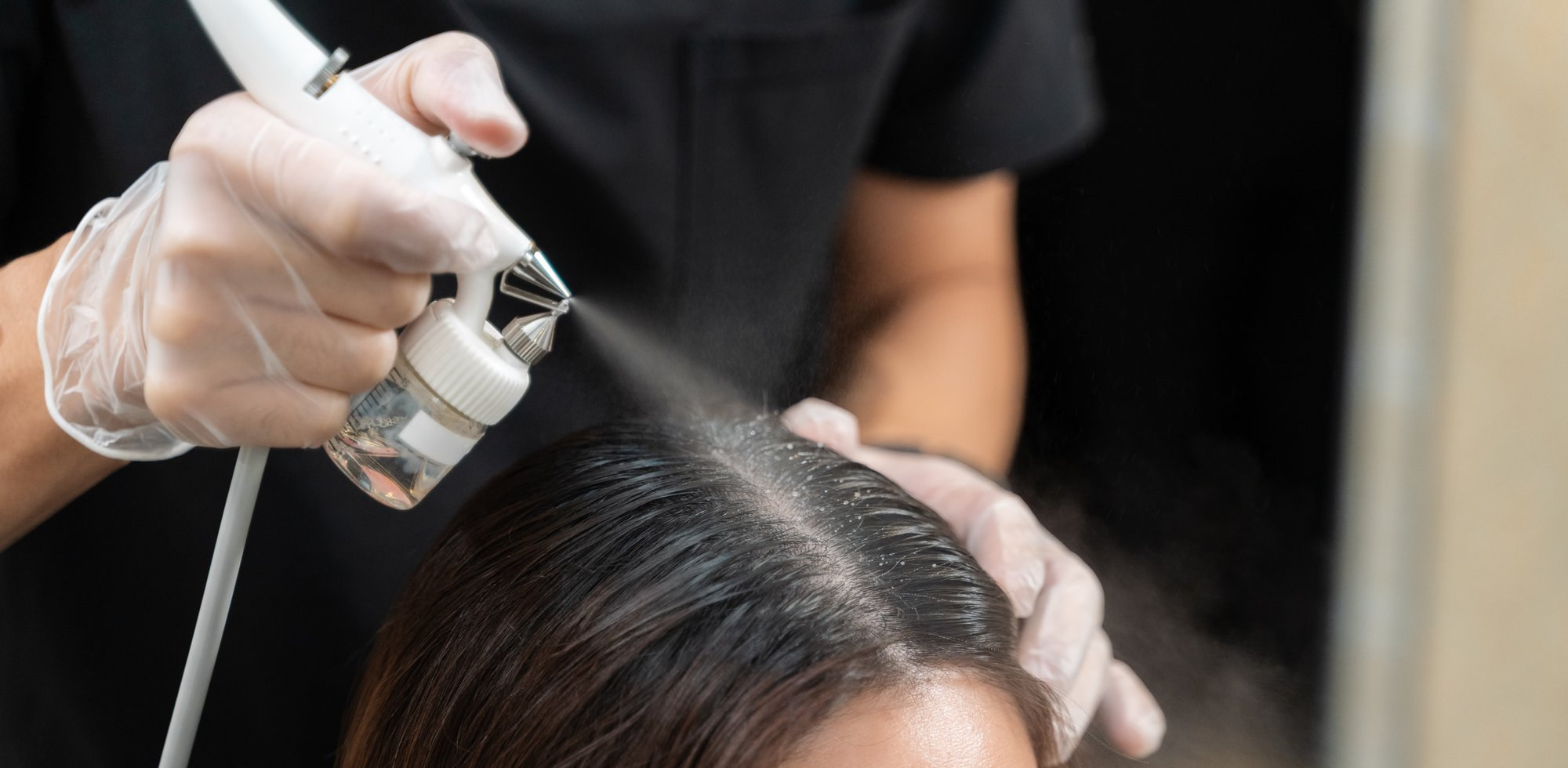
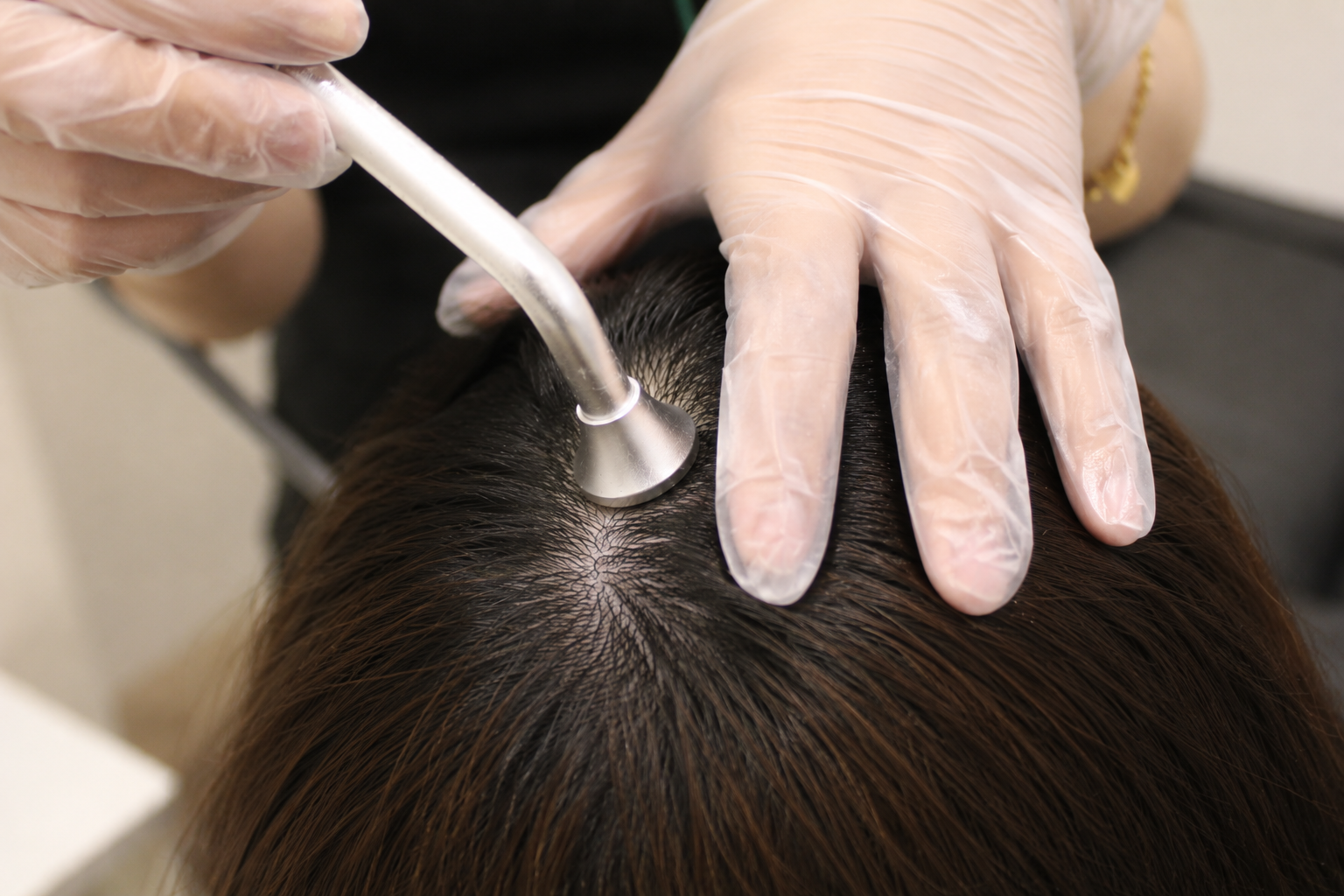
TrichoKare describes this step as a way to deliver nourishing ingredients across the scalp and support its natural renewal process. The aim is to soothe and refresh areas affected by excess oil and irritation and create favourable conditions around the follicles.
That scalp-focused approach was what had got me curious about exosomes in the first place, and I could now see what it meant in practice.
Hair goes through phases of growing, resting and shedding. I was interested in what the treatment was intended to do over time, but at this appointment I was especially curious to see how the scalp itself would look when the consultant brought out the Tricho-Scan again.
Photodynamic Therapy
The last treatment step was Photodynamic Therapy, a light-based step that took about 10 to 15 minutes.
TrichoKare uses it to help calm scalp inflammation and maintain the scalp’s pH balance, which refers to how acidic or alkaline it is. I spent part of the session seated under a dome-shaped device and also had a red-light headband fitted.
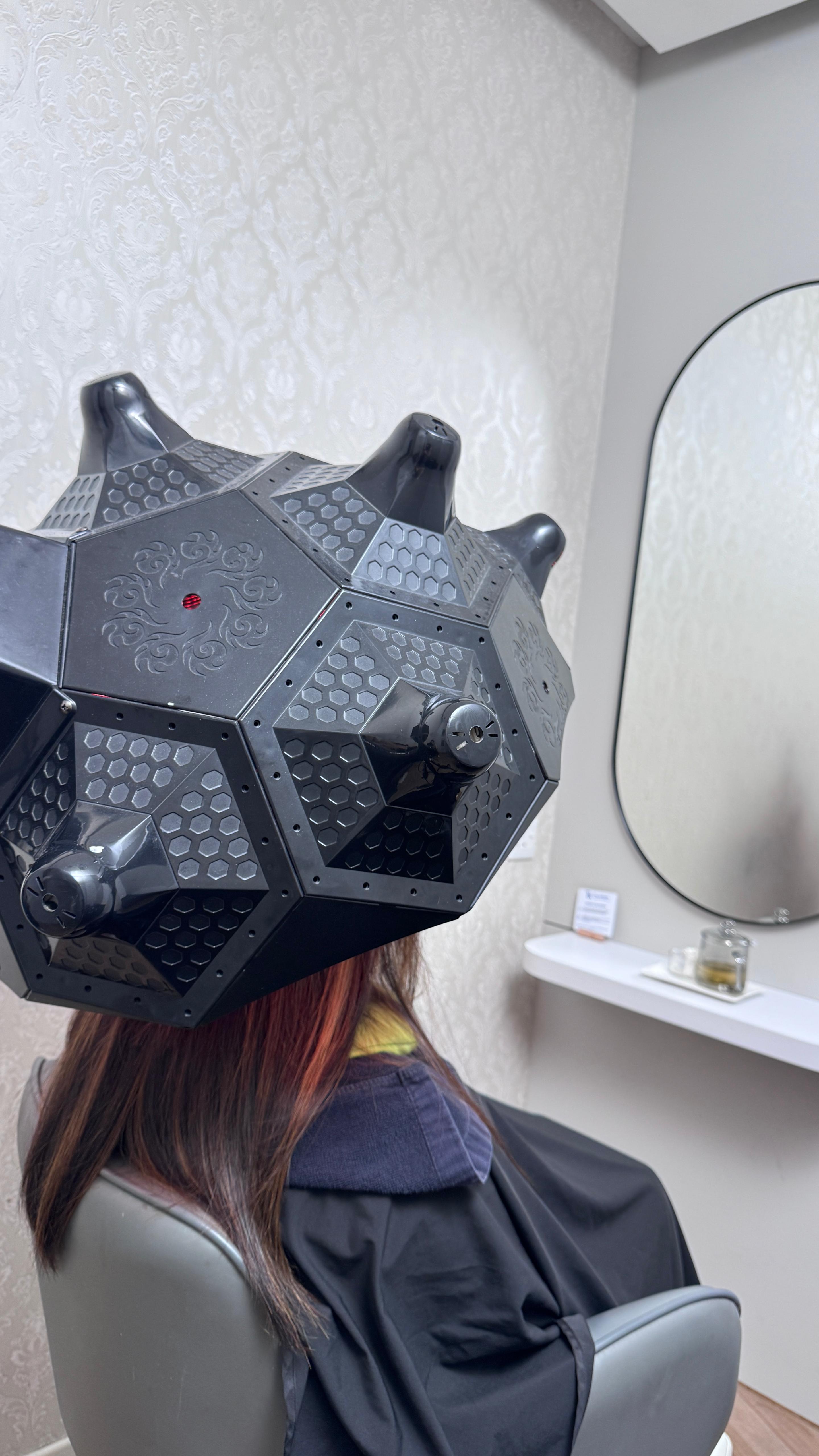
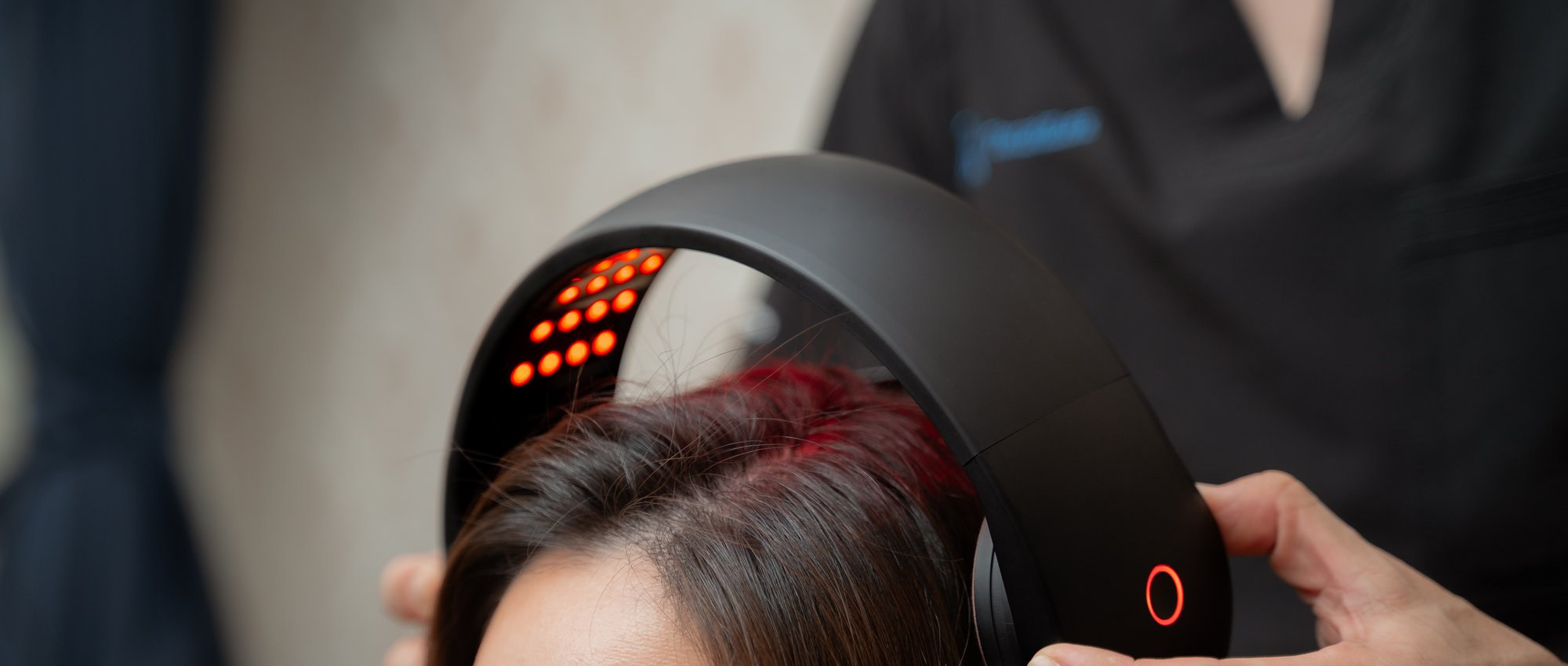
After that came the blow-dry and styling. The therapist finished by applying a hair serum containing argan oil to the ends for shine.
By then I could see the finished hairstyle in the mirror, but I was still waiting for my second close-up of the day.
Post-Treatment Scalp Scan
The consultant took another look using the same Tricho-Scan at 200x magnification. Seeing the scans side by side made it easy to go back to the bits I’d noticed earlier. In the first scan, there were visible flakes and oily buildup around the follicles. In the second, there was visibly less buildup, and the area around the follicles looked cleaner.
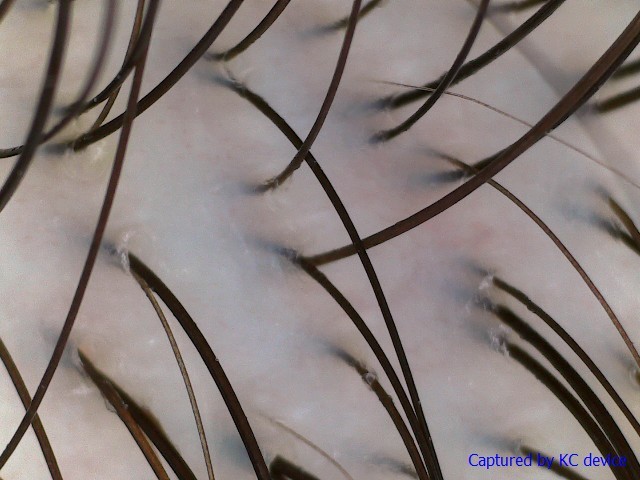
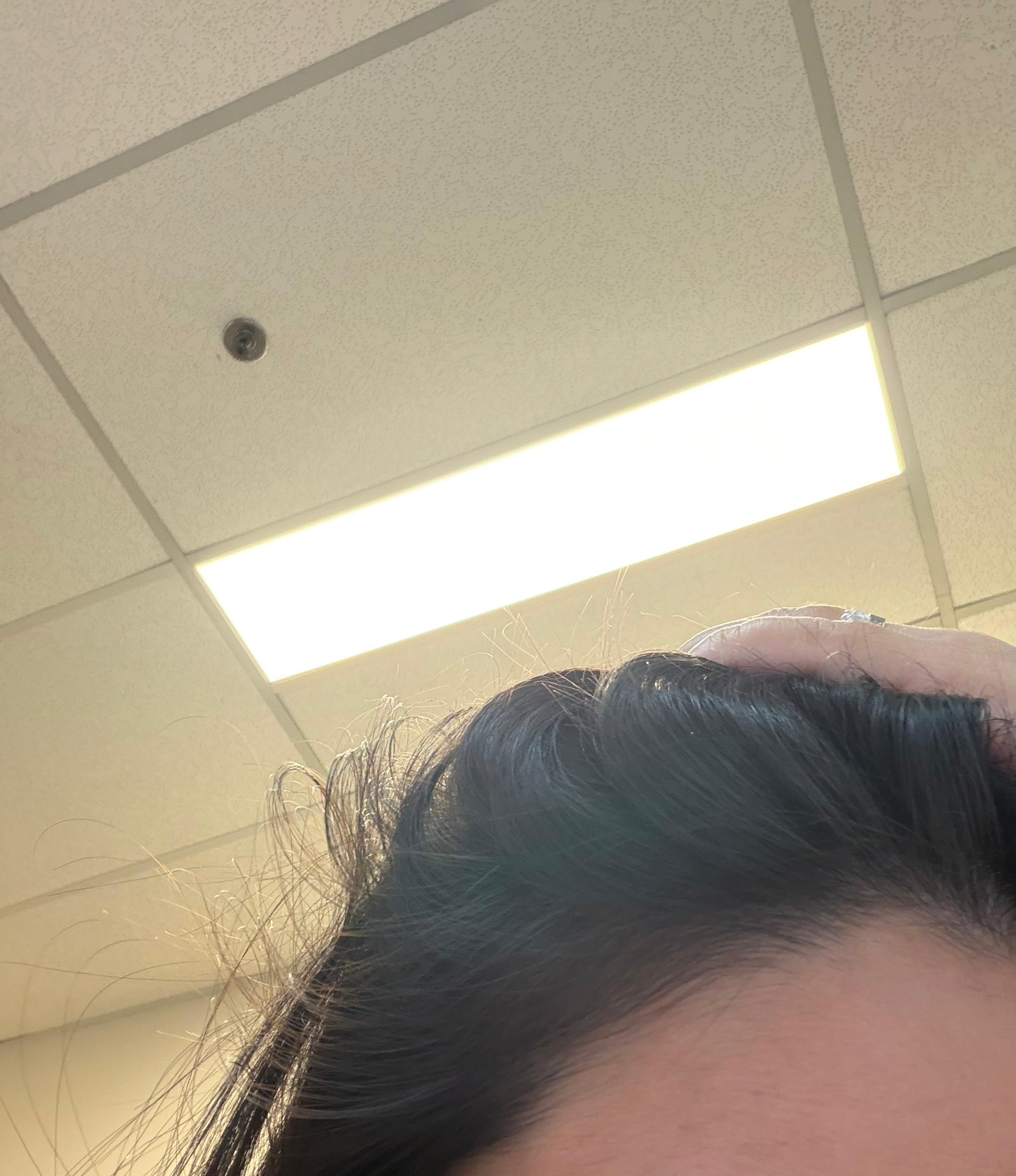
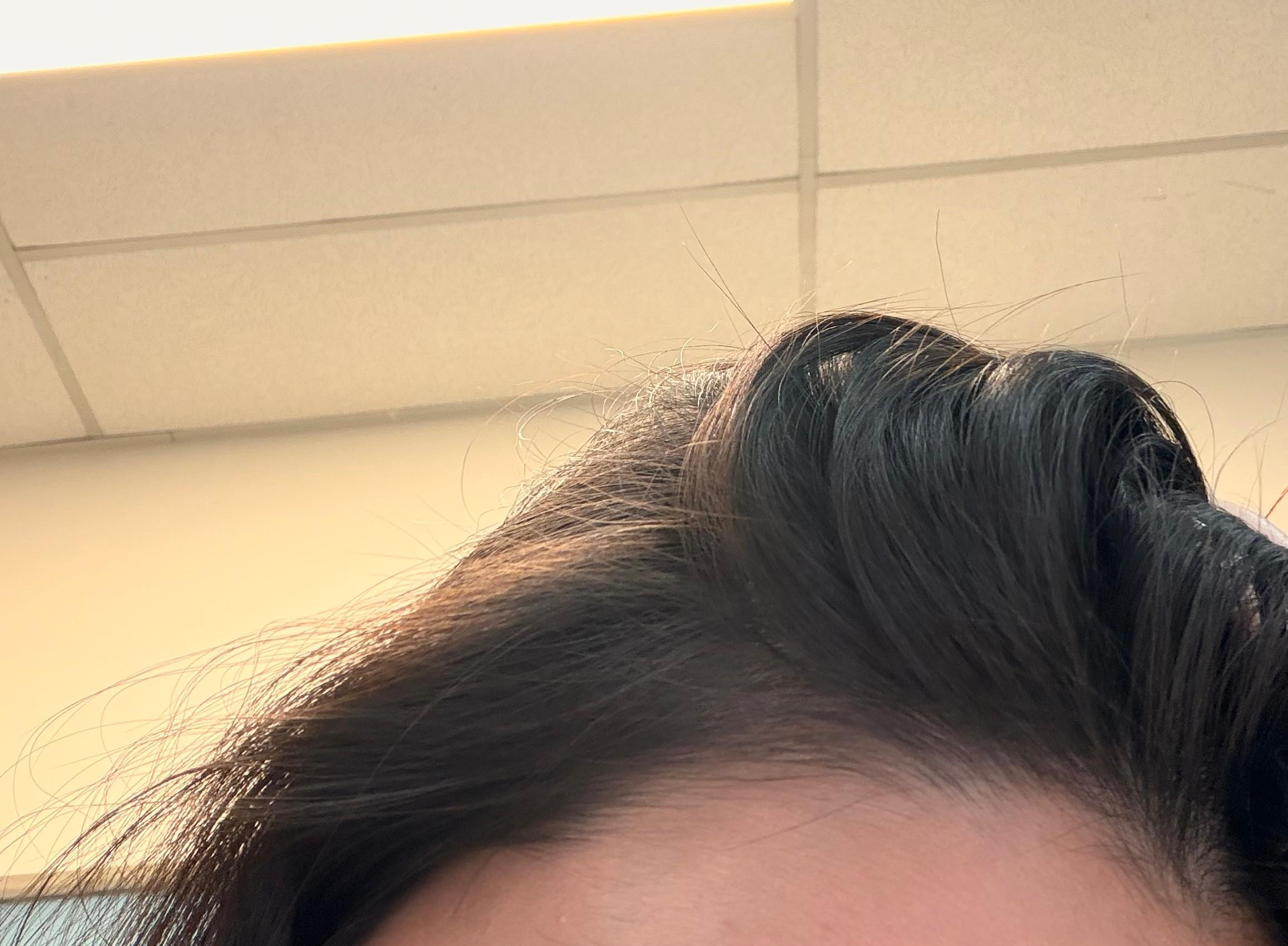
The hairline photos show how my hair looked before and after the session. For the change I could assess immediately, I kept going back to the magnified scans. One session can’t establish whether I’m shedding less hair. That takes time to assess, while the difference in visible scalp buildup was something I could compare on the spot.
I also appreciated being able to ask about what I was seeing while both scans were in front of me. At home, I can spend ages inspecting a strand that’s fallen out and learn very little from it. Here, I left with a better idea of what the consultant was looking at when she examined my scalp and what had changed over the course of the appointment.
You Also Get a Free Hair Care Kit
After the second scan, I got to take home a Free Hair Care Kit worth $45. It comes with two products, the Nourishing Hair Bath shampoo and the CompleteKare Mask conditioner.
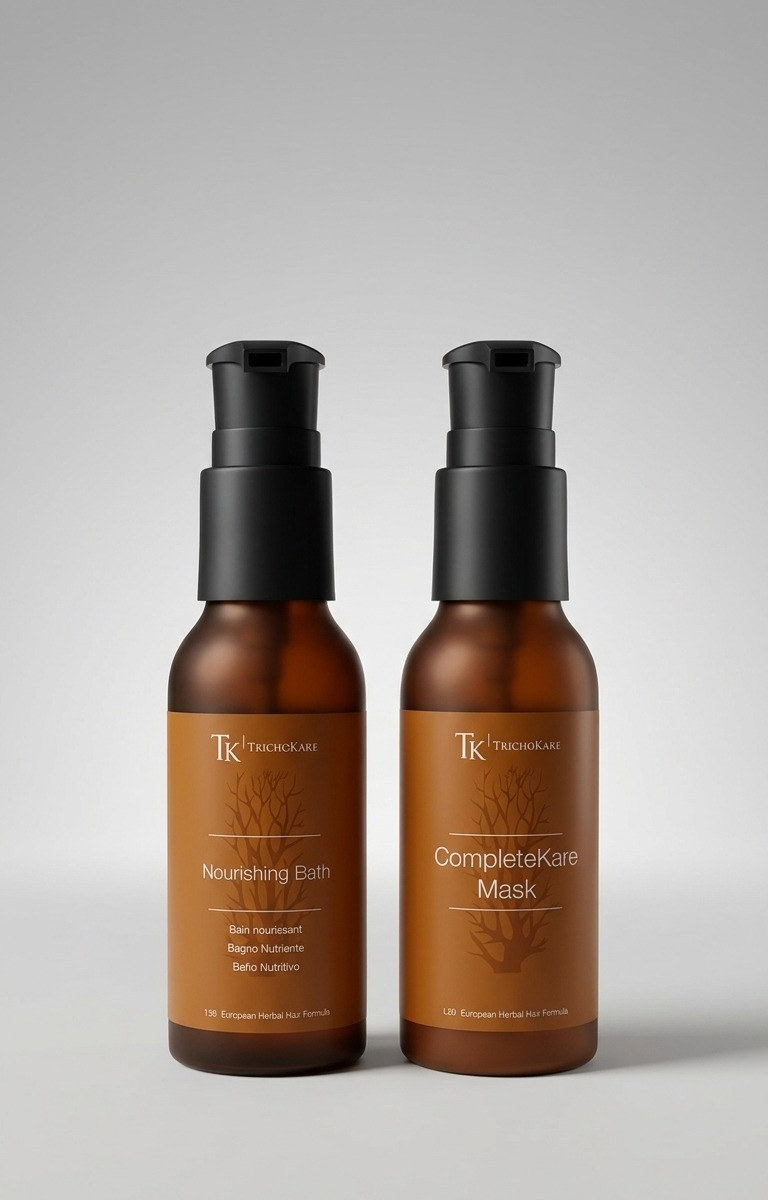
TK TrichoKare’s Exosome Scalp Renewal Therapy is available at $48 nett. The original price is $556, inclusive of the hair care kit.
To book, WhatsApp 9150 8891 with promo code <GOODYFEED>, or sign up through the booking link here.
This promotion is valid till 30 Nov 2026

