

Ask any Singaporean about fish balls and you’ll probably get a strong opinion. Fish ball noodles for breakfast, fish ball soup for supper, or just a packet from the supermarket to chuck into steamboat: they’re basically part of our national diet at this point.
And if you grew up here, chances are you’ve eaten a DoDo fish ball before.
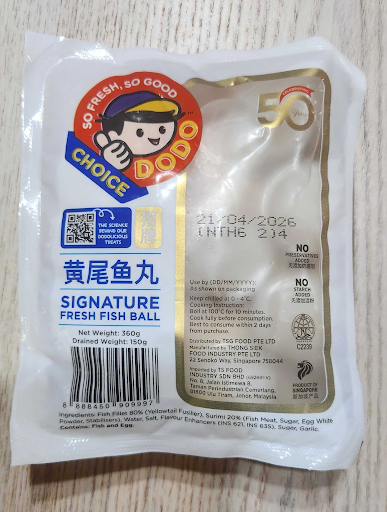
You might not have realised it, but that little boy on the packet has been sitting in Singapore’s chillers for 50 years already.
Yes, half a century.
DoDo is officially turning 50 this year, and to mark the occasion, they’re doing something they’ve never done before: teaching you how to make their fish balls, and opening up their factory to the public.
A First-Ever Experience For DoDo
In partnership with the Singapore HeritageFest 2026, DoDo is launching its very first Heritage Fish Ball Making Workshop, complete with a behind-the-scenes look at how their production actually works.
For context, this year’s SHF (happening from 1 to 24 May 2026) is themed around Maritime Heritage: celebrating Singapore’s long relationship with the sea, from our early days as a fishing village to our modern role as a global maritime hub.
Which, when you think about it, makes DoDo a pretty natural fit. Fish balls are literally a product of our fishing heritage, and tracing how a humble hand-shaped fish paste treat became something you can find in every hawker centre, supermarket and steamboat buffet in Singapore is basically the whole point of a heritage festival.
So What’s It Actually Like?
I got to try the workshop ahead of its launch, and I’m not going to lie: I went in thinking, “how hard can making a fish ball be?”
I mean, if I can eat fish balls, making fish balls should be chicken feet, right?
Well, I was wrong, because this is the end results of my fish balls (if you can still call it fish balls):
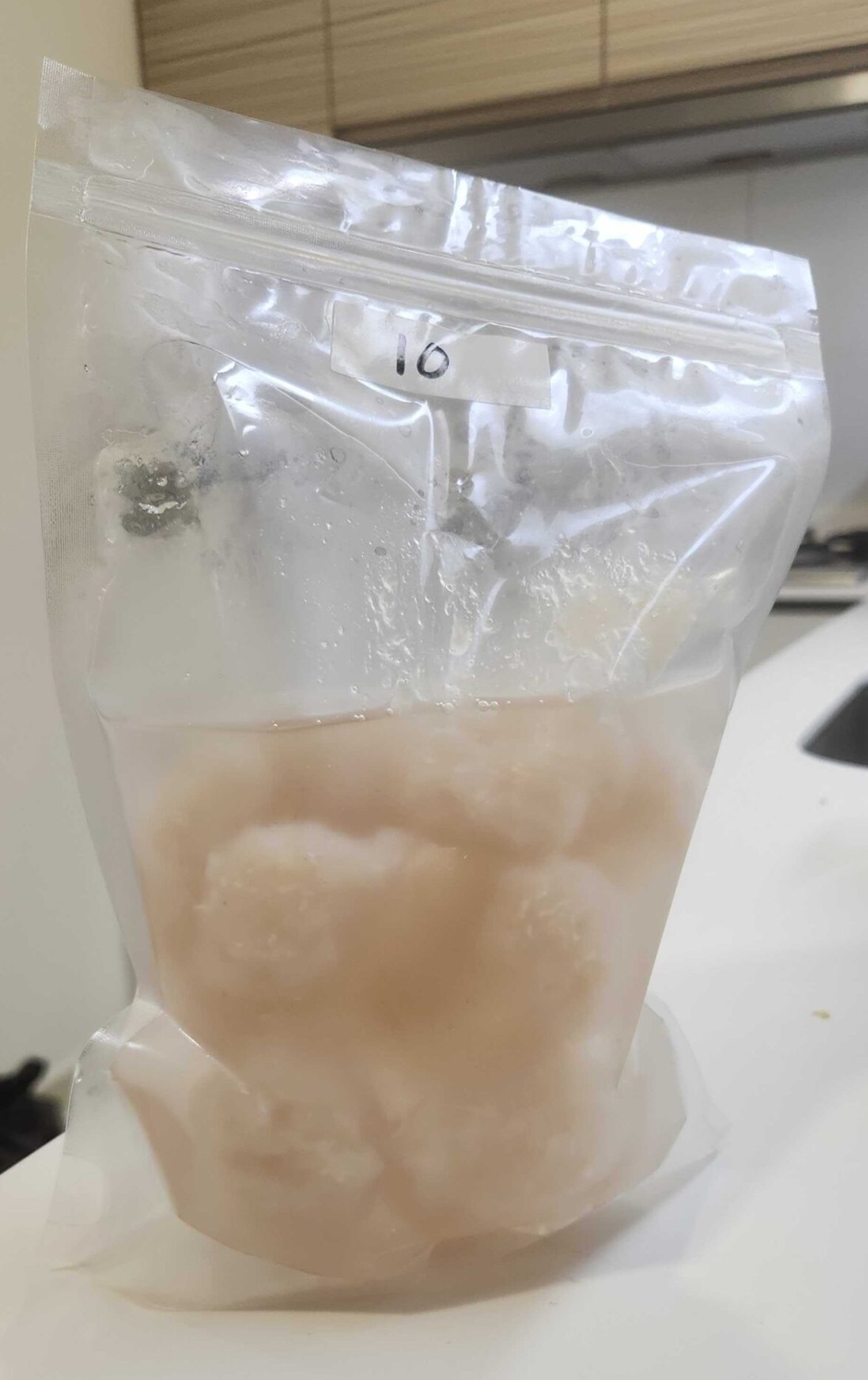
So, how was the experience?
Well, the workshop takes us back to the past when fish balls were made by hand, and trust me when I say this: making fish balls manually is just as challenging as training for your IPPT.
You start with a bowl of freshly prepared fish paste: the same stuff DoDo uses in their own production.
The instructor then shows you the steps: putting all the ingredients together.
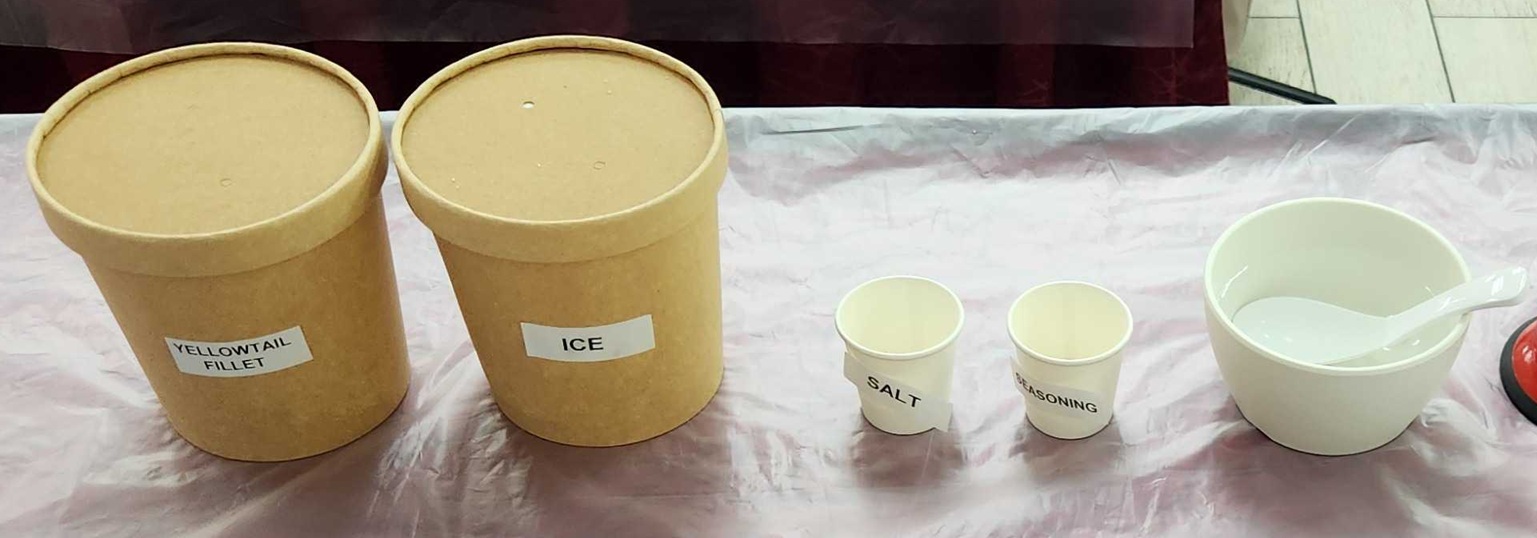
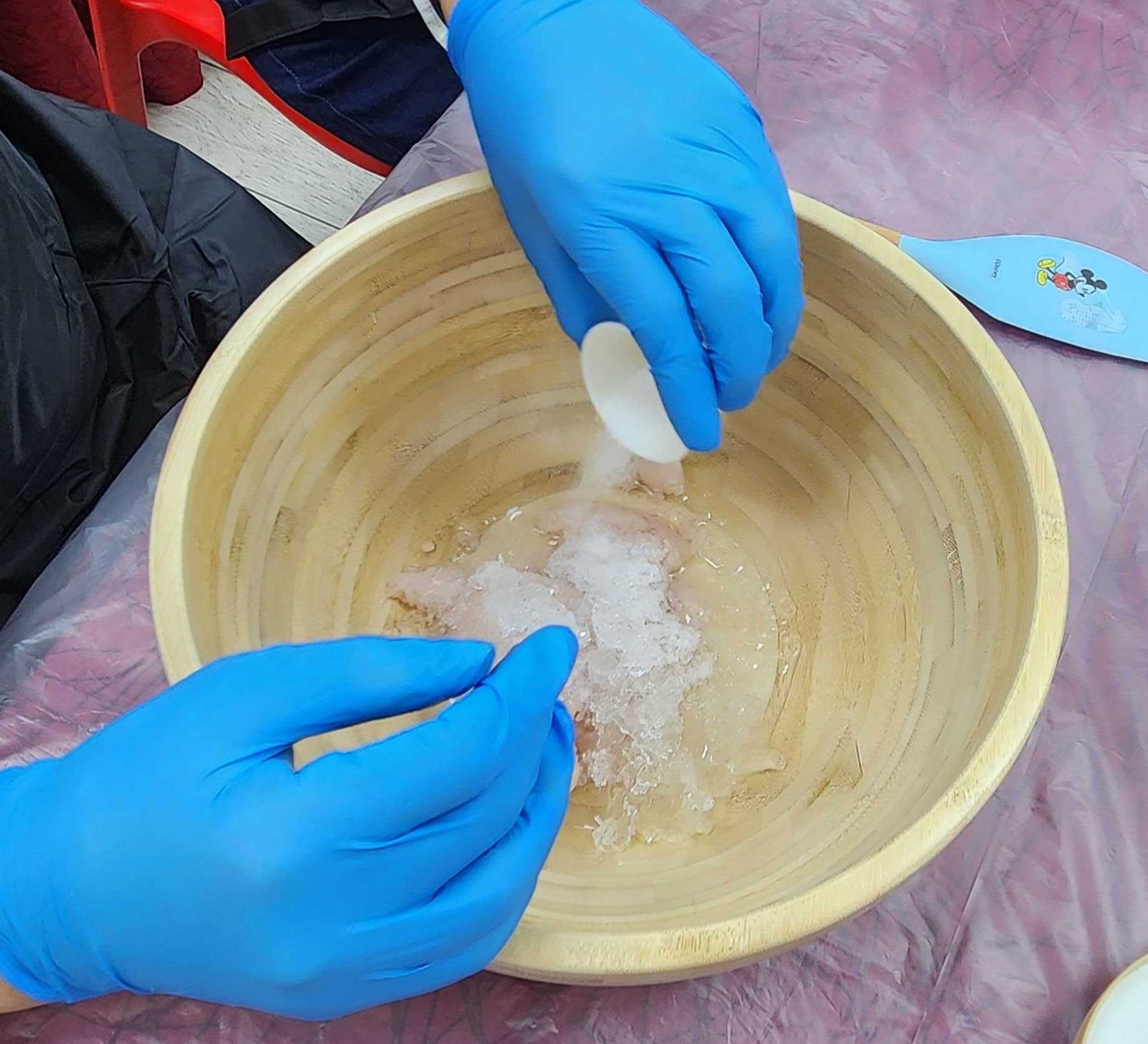
Then the hard part starts.
You’d have to do the traditional hand-squeezing technique, which is basically whereby you just stir and stir and stir and stir and stir…until forever the paste feels ready.
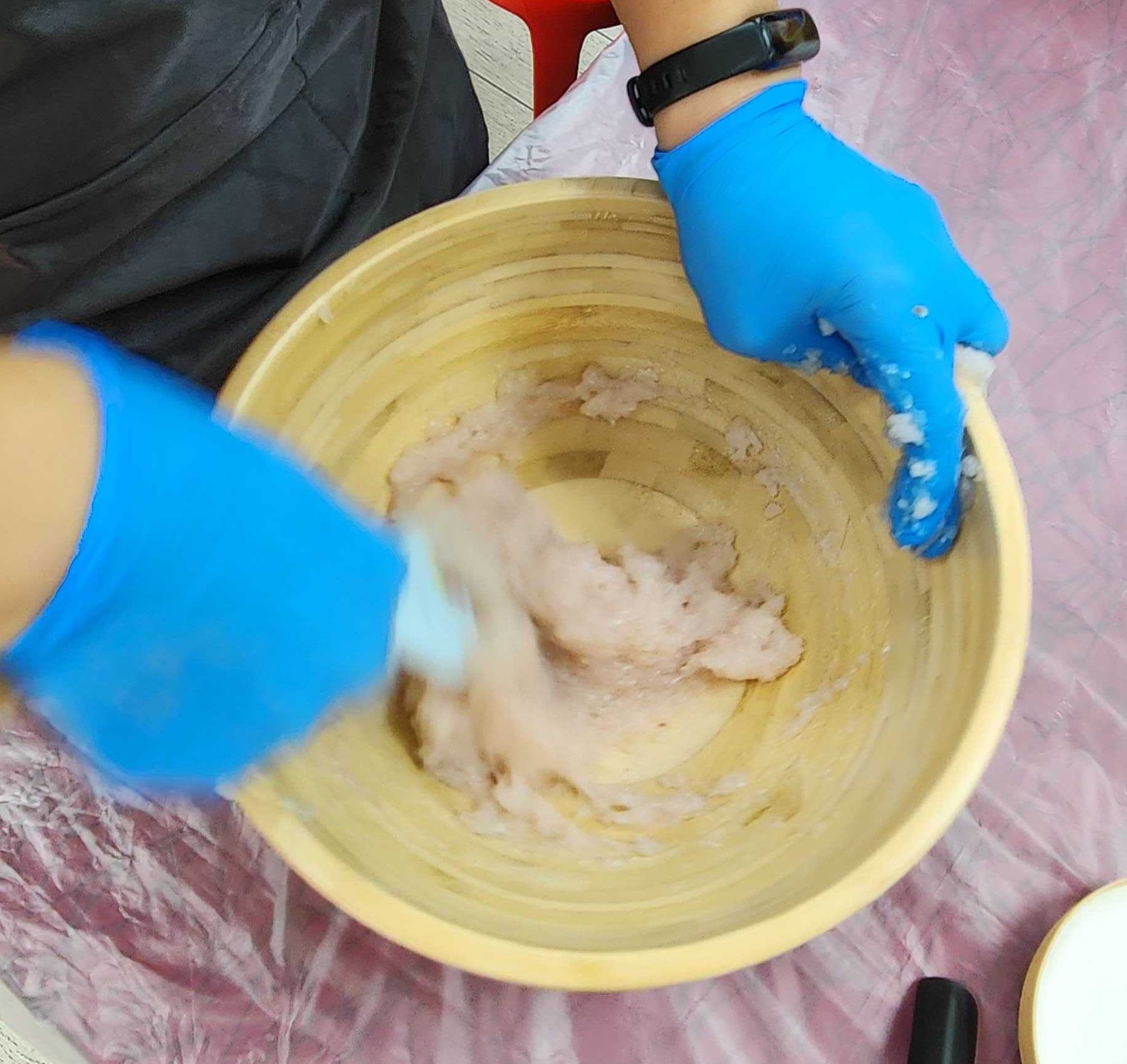
You then scoop up a handful of paste, close your fist, and squeeze it out through the circle formed between your thumb and index finger to shape a ball, before scooping it off with a spoon into a bowl of water.
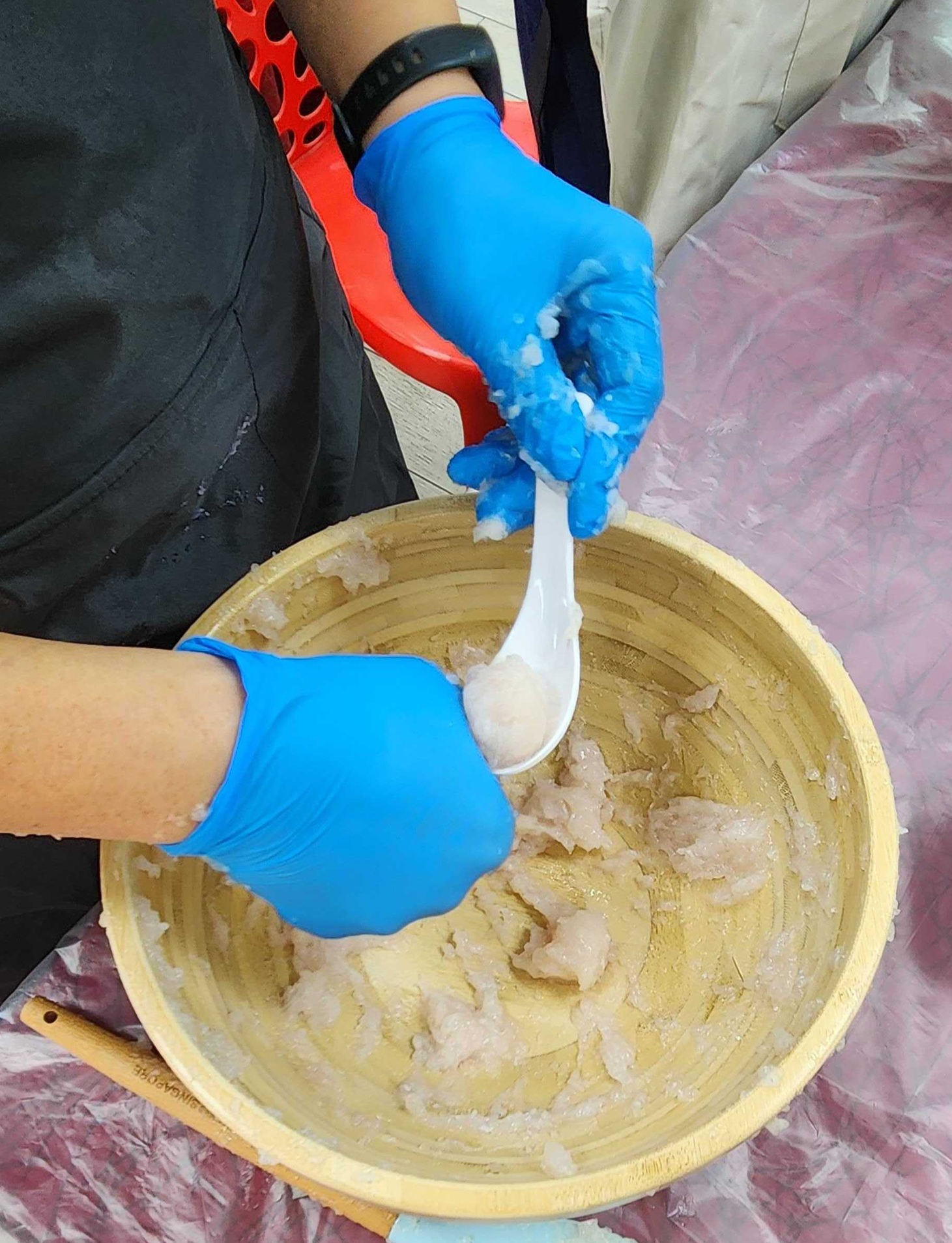
Sounds easy. But it is NOT easy.
My first few attempts looked less like fish balls and more like lumpy blobs having an identity crisis. Some were too big. Some were too small. One looked suspiciously like a tadpole.
But by my tenth-or-so try, I actually started to get the hang of it: and there’s something genuinely satisfying about pulling out a fish ball that comes out round and smooth.
The only thing is that they don’t look round after they’ve set in, but that’s another story.
The best part? You get to bring home your own handmade fish balls.
And as you know, this is mine:
You also get a packet of DoDo’s Signature Fish Balls to take away, which honestly made me appreciate just how consistent the factory-made ones are: once you’ve tried making them yourself, you realise producing perfectly identical fish balls at scale is no joke.
Then Comes The Factory Tour
After the hands-on session, you get to see how the professionals do it.
Depending on which option you pick, you’ll either get an in-person walkthrough of DoDo’s production facility, or a 360° immersive video tour of the process.
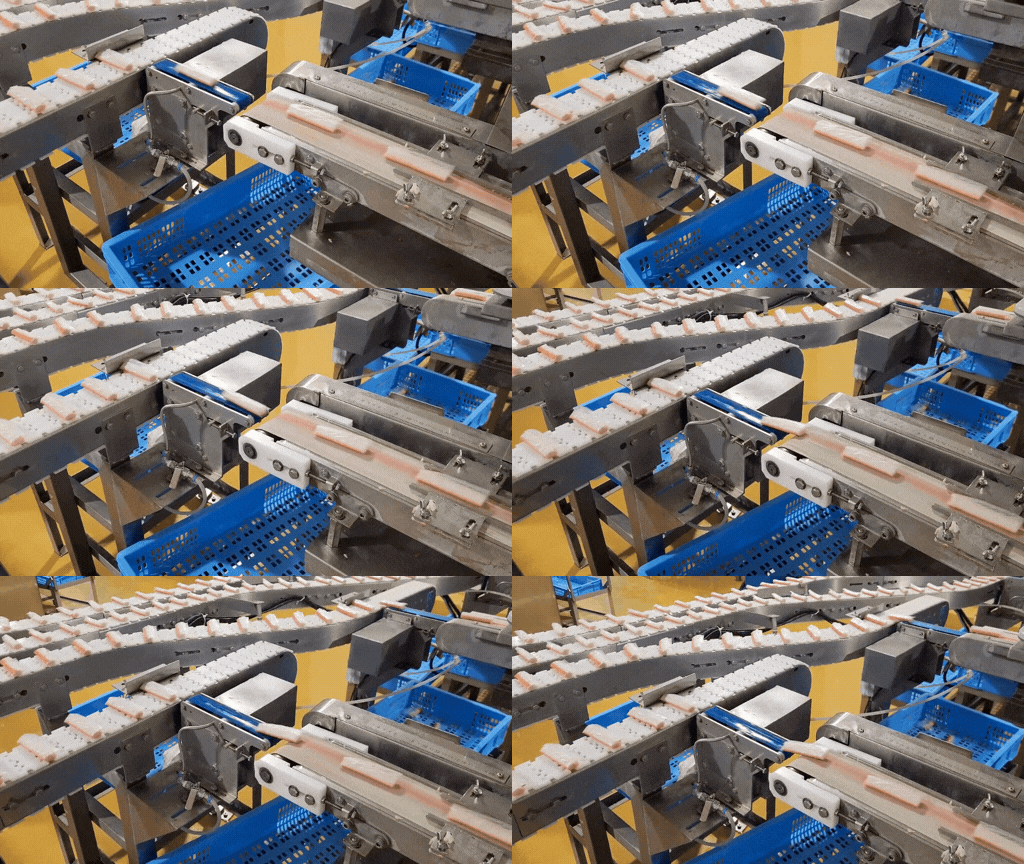
The in-person tour is the full experience: you get to see the machinery, the quality checks, and all the behind-the-scenes steps that go into producing fish balls at scale.
Watching a machine churn out perfectly identical fish balls at lightning speed right after you spent 20 minutes wrestling with a handful of paste is a pretty humbling experience, I won’t lie.
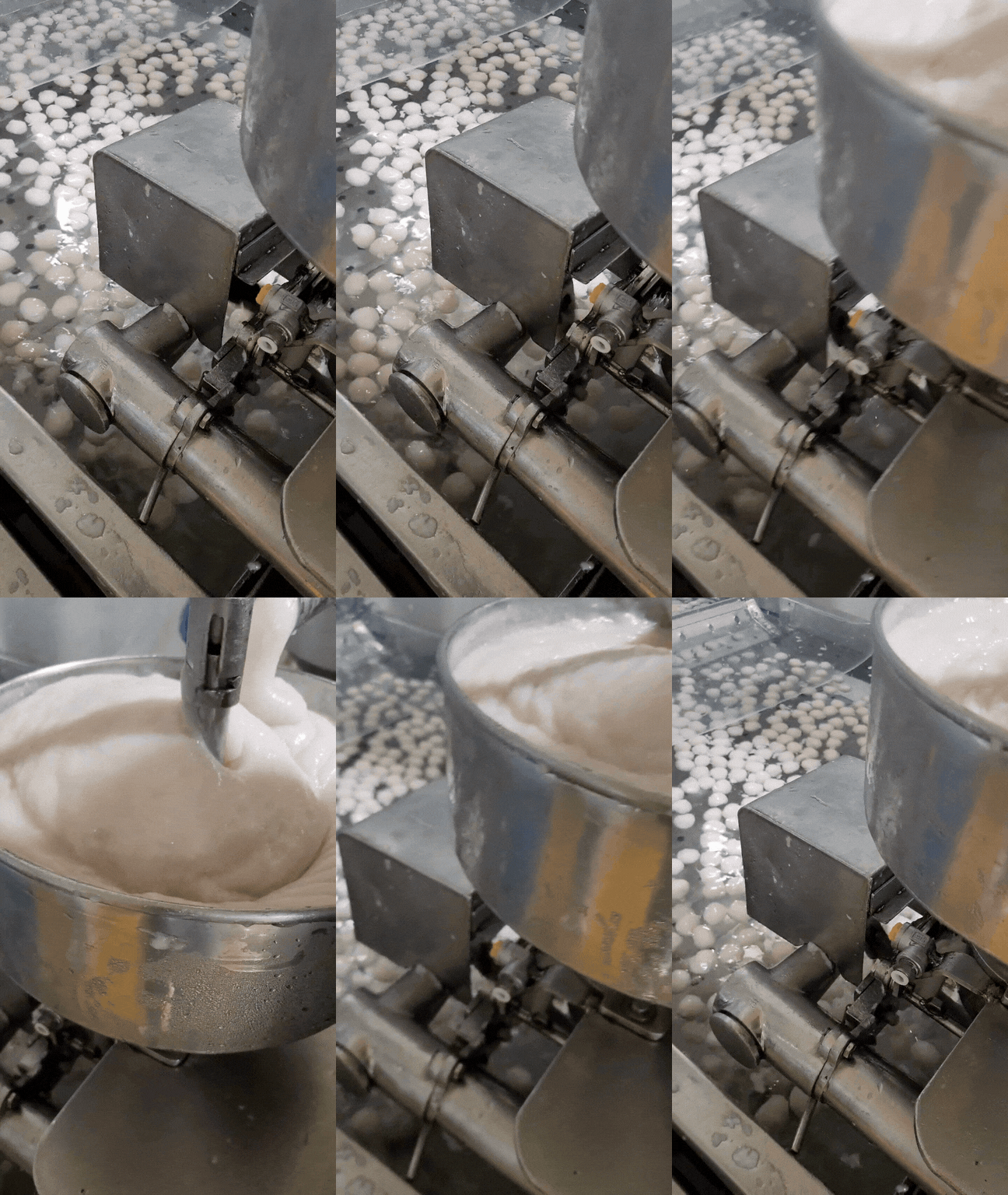
It also gives you a real appreciation for what it takes to keep a local food brand running for 50 years: ingredient selection, food safety, consistency, and the kind of quality control that most of us don’t think about when we’re just tossing fish balls into a pot of instant noodles at 11pm.
The best part?
Seeing fish balls bouncing: they’re so cute that whenever I eat any fish balls nowadays, I feel bad.
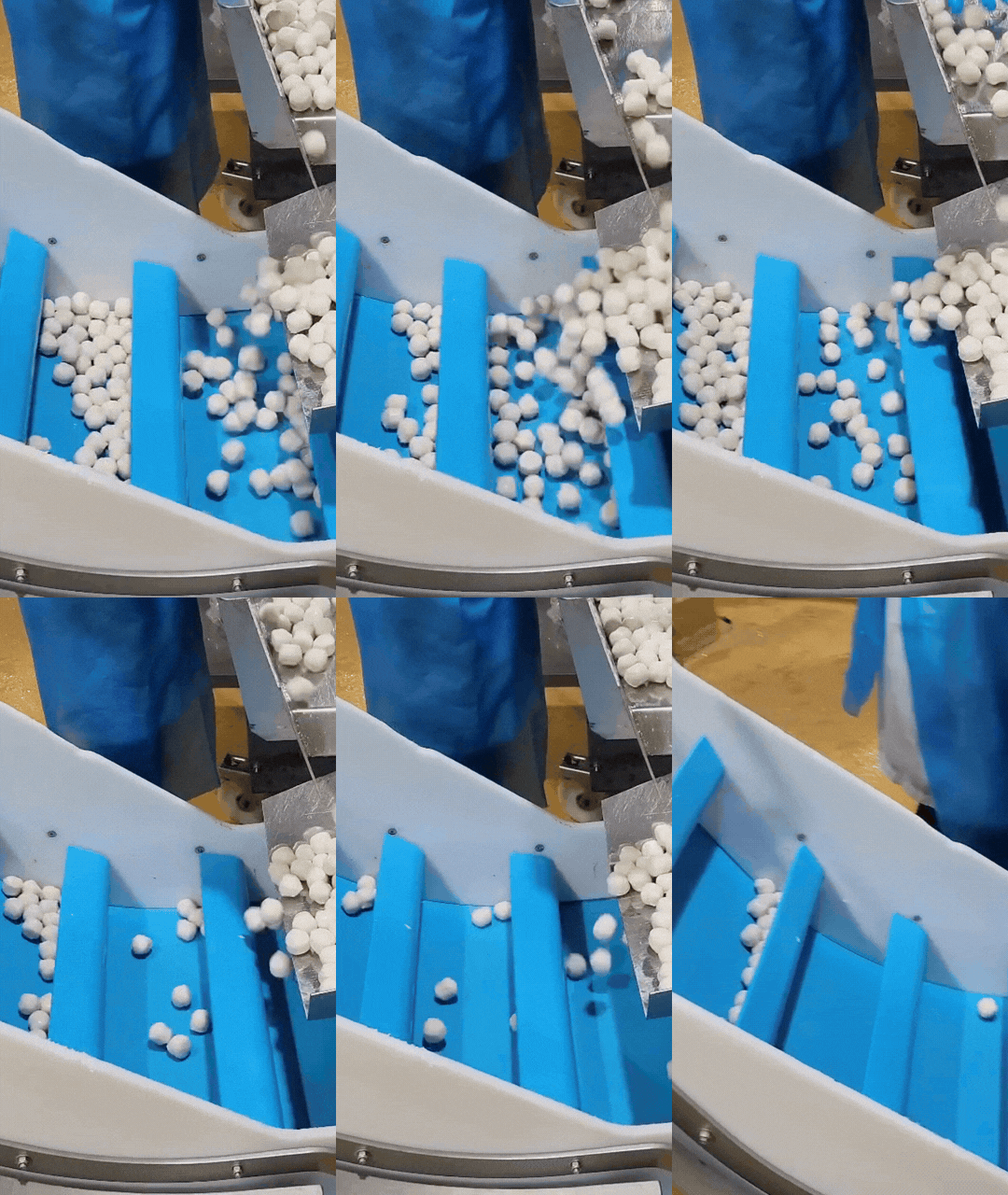
Oh, do you know that DoDo is the only factory in Singapore that produces crab-flavoured sticks?
Yes, you’d get to tour the production of crab-flavoured sticks, too, so you’d finally have the chance to talk about something else during CNY steamboat (other than about your imaginary boyfriend)!
Workshop Options & Pricing
There are two options you can choose from, depending on your schedule and budget:
Option 1: Fish Ball Making + Production Visit
- Every Monday (from 1 May onwards)
- 10:00am – 12:00pm
- $39 per pax
Option 2: Fish Ball Making + 360° Production Tour Video
- Tuesday to Thursday: 10:30am – 12:00pm
- Monday to Thursday: 2:30pm – 4:00pm
- $28 per pax
Their factory is located at 22 Senoko Way Singapore 758044, with the nearest MRT station being Sembawang MRT Station.
Tickets are available for booking via the SISTIC website. And here’s the good news: if you book as part of SHF 2026, you’ll enjoy a 10% discount using the promo code provided by the festival.
So, what is SHF 2026 all about?
A Heritage Worth Celebrating
If you’ve not heard of SHF before, here’s the quick version: Singapore HeritageFest is basically the country’s longest-running heritage festival that takes place islandwide, like workshops (hands-on, like DoDo’s fish ball making), tours (e.g. guided tour to Pulau Ubin’s Malay Kampong) and others.
It’s organised by HeritageSG (a subsidiary of the National Heritage Board), and it’s been running every May for over two decades: this year marks its 23rd edition.
As mentioned earlier, this year (1 to 24 May 2026), the theme is Maritime Heritage: telling Singapore’s story through our relationship with the sea, from our early days as a fishing village to our transformation into one of the world’s busiest ports. The festival breaks this down into four angles: Trade (the economic side), Migration (how people from all over arrived by sea and shaped who we are today), Beliefs & Practices (coastal rituals, sea folklore, Mazu worship and more), and Naval History (from colonial defence to WWII).
And this is where DoDo fits in surprisingly well.
As a homegrown brand built entirely around fish-based products, DoDo is quite literally a product of Singapore’s fishing heritage: and this collab is a chance to tell that story properly: how traditional seafood craftsmanship evolved into such a beloved part of our everyday food culture.
Basically, fish balls are maritime heritage, whether we realise it or not.
A Legit Good School Holiday Idea
If you’ve got kids and you’re already stressing about how to fill up the June school holidays without breaking the bank (or losing your sanity), this might be worth considering.
It ticks a few boxes most parents will appreciate:
- It’s educational: kids actually learn where their food comes from, and get to hear the story behind a 50-year-old local brand.
- It’s hands-on: no screens and no passive watching. They actively make something.
- They bring home something they made: which always scores points.
Plus, it beats the usual “let’s go to the mall again” default.
Workshop bookings are available via the SISTIC website. Don’t forget to key in the SHF 2026 promo code for 10% off your tickets!
This article was first published on Goody Feed and written in collaboration with DoDo Seafood Treats.

